15 Side Effects of Aloe Vera on Hair: What You Need to Know for Safe Hair Care
The Aloe Vera plant is a celebrated natural ingredient in the world of beauty and wellness, particularly revered for its extensive benefits for hair and scalp health. From promoting hair growth and reducing dandruff to soothing an itchy scalp and conditioning strands, its popularity is well-deserved. However, like any natural remedy or cosmetic ingredient, Aloe Vera is not without its potential drawbacks and side effects, especially when applied to the delicate scalp and hair.
While generally safe for most, understanding these possible adverse reactions is crucial for ensuring a positive and safe hair care experience. This comprehensive guide will delve into 15 potential side effects of Aloe Vera on hair, exploring their causes, symptoms, and, most importantly, how to minimize risks and use this powerful plant safely and effectively for your luscious locks.
Understanding Aloe Vera’s Composition and Potential Irritants
The Aloe Vera leaf contains two primary components that are relevant to its use:
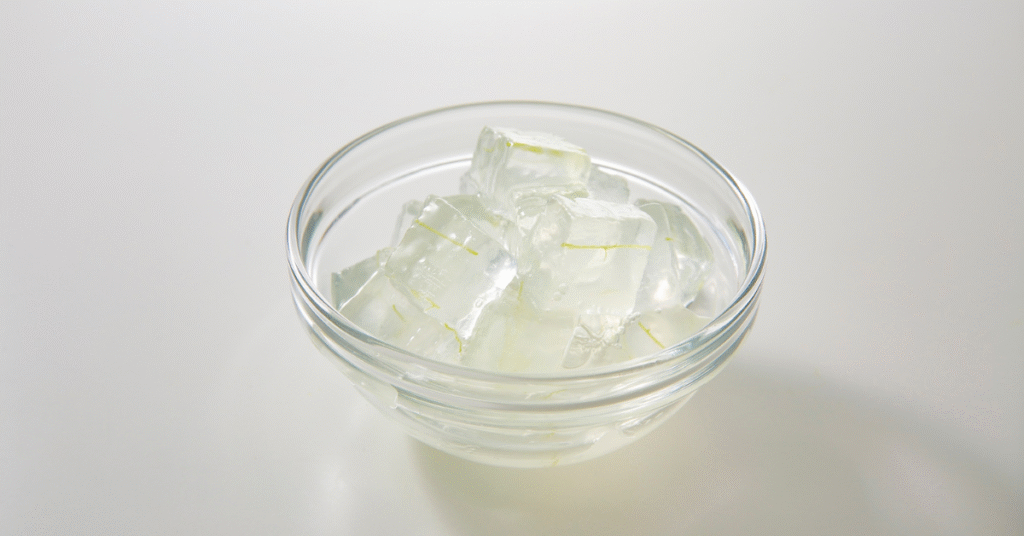
- Aloe Gel: This is the clear, mucilaginous substance found in the inner part of the leaf. It’s rich in polysaccharides, vitamins, enzymes, and minerals, responsible for most of Aloe Vera’s therapeutic properties for hair and skin.
- Aloe Latex (Aloin): A yellowish, bitter compound found just beneath the outer skin of the leaf. Aloin is a strong laxative when ingested and can be a significant skin and scalp irritant for some individuals if not properly removed before using fresh gel.
The presence of aloin in improperly prepared fresh gel or in some commercial products (though reputable ones typically remove it) is a common culprit behind adverse reactions on the scalp. Research into the comprehensive medicinal and cosmetological importance of Aloe Vera continues to highlight its complex nature, as detailed in scientific reviews like this one on ResearchGate.
15 Potential Side Effects of Aloe Vera on Hair & Scalp
1. Allergic Reactions (Contact Dermatitis)
This is the most common adverse reaction. While Aloe Vera is known for soothing, some individuals can develop an allergic reaction on their scalp or skin, similar to what can happen on the face (as discussed in side effects of aloe vera on face).
- Symptoms: Redness, intense itching, swelling, rash, hives, or small bumps on the scalp or skin where Aloe Vera was applied. In severe cases, blistering may occur.
- Causes: Sensitivity to certain compounds within the Aloe Vera plant itself, or to the aloin/latex if using improperly prepared fresh gel. It can also be an allergy to other ingredients in a commercial Aloe Vera product (e.g., preservatives, fragrances).
- Prevention: Always perform a patch test (see “How to Minimize Risks” section below).
2. Scalp Irritation & Burning Sensation
Less severe than an allergic reaction, some people may experience mild irritation, redness, or a slight burning or stinging sensation upon application to the scalp.
- Symptoms: Mild stinging, warmth, or temporary redness that subsides quickly.
- Causes: Very sensitive scalp, application to broken or highly inflamed skin, or using fresh gel that still contains traces of aloin.
- Prevention: Ensure proper preparation of fresh gel to remove aloin. Start with a very small amount to gauge sensitivity.
3. Excessive Dryness or Brittleness of Hair
Paradoxically, while Aloe Vera is known for moisturizing, some individuals, especially if using a product with alcohol or if not following up with a proper conditioner, might experience hair dryness or brittleness.
- Symptoms: Hair feels coarse, dry, or brittle after using Aloe Vera.
- Causes: Using commercial products with high alcohol content, not rinsing thoroughly, or using Aloe Vera alone without a subsequent moisturizing conditioner, especially for already dry hair types.
- Prevention: Choose pure gels without alcohol. Always follow up with a good conditioner or hair mask.
4. Hair Stickiness or Residue
If too much gel is applied or if it’s not rinsed thoroughly, Aloe Vera can leave a sticky or gummy residue on the hair.
- Symptoms: Hair feels tacky, stiff, or looks greasy/dull after drying.
- Causes: Over-application, insufficient rinsing, or combining with heavy styling products.
- Prevention: Use a thin layer of gel. Rinse hair thoroughly, especially if using it as a pre-shampoo treatment.
5. Hair Breakage (Due to Stiffness/Residue)
If hair becomes stiff or coated with residue from Aloe Vera, it can be more prone to tangling and breakage, especially when combing or styling.
- Symptoms: Increased hair breakage, especially when brushing or combing.
- Causes: Over-application leading to stiffness, or not rinsing out properly.
- Prevention: Use sparingly, rinse thoroughly, and detangle gently.
6. Temporary Hair Discoloration (Yellowish Tint)
If using fresh Aloe Vera gel, especially if the leaf was not properly prepared, a temporary yellowish tint might appear on lighter hair.
- Symptoms: A light yellow stain on the hair, particularly noticeable on blonde or grey hair, that washes off.
- Causes: Residual aloin/latex that was not fully drained from the leaf.
- Prevention: When harvesting fresh gel, ensure you allow the yellowish latex to drain completely from the cut end of the leaf for 10-15 minutes before extracting the clear gel. This preparation is critical, similar to how to use aloe vera plant on face.
7. Exacerbation of Existing Scalp Conditions
In rare instances, individuals with pre-existing severe scalp conditions like psoriasis, severe eczema, or fungal infections might find their condition worsened by Aloe Vera, despite its general soothing properties.
- Symptoms: Increased redness, itching, flaking, or irritation in affected areas of the scalp.
- Causes: Individual hypersensitivity, a reaction to specific compounds in the plant, or interaction with an active infection.
- Prevention: Always perform a patch test. If you have a severe or chronic scalp condition, consult a dermatologist or trichologist before using Aloe Vera.
8. Clogged Pores on Scalp
While Aloe Vera is often used to cleanse the scalp, if not rinsed thoroughly, or if combined with heavy oils, it can potentially contribute to clogged pores, especially for those prone to scalp acne.
- Symptoms: Small bumps, pimples, or increased oiliness on the scalp.
- Causes: Improper rinsing, combining with overly heavy oils, or individual scalp sensitivity.
- Prevention: Rinse thoroughly. If mixing with oils, choose lighter, non-comedogenic oils.
9. Interactions with Hair Dyes or Chemical Treatments
Aloe Vera can sometimes affect the outcome of hair coloring or chemical treatments (like perms or relaxers) by altering hair’s porosity or creating a barrier.
- Symptoms: Uneven color absorption, reduced effectiveness of chemical treatments.
- Causes: Aloe Vera’s film-forming properties or its ability to enhance penetration (which can be good for some things, but bad for others).
- Prevention: Avoid using Aloe Vera directly before or immediately after chemical hair treatments. Consult your stylist.
10. Lack of Desired Results
For some individuals, despite consistent use, Aloe Vera may not deliver the promised benefits for hair growth or scalp issues.
- Symptoms: No noticeable improvement in hair growth, dandruff, or scalp health.
- Causes: Individual variation, underlying medical conditions causing hair loss, improper product quality, or unrealistic expectations.
- Prevention: Manage expectations. Ensure you’re using high-quality, pure aloe vera. If issues persist, consult a dermatologist or trichologist.
11. Photosensitivity (Rare for Hair)
While rare for hair, some compounds in Aloe Vera might theoretically increase skin’s sensitivity to sunlight. If applied heavily to the scalp and then exposed to intense sun, it could potentially lead to scalp irritation.
- Symptoms: Sunburn-like irritation on the scalp.
- Causes: Possible interaction of certain phytochemicals with UV radiation.
- Prevention: If you apply Aloe Vera and spend prolonged time in direct sun, consider wearing a hat.
12. Product Contamination (Commercial Products)
Not all commercial Aloe Vera products are created equal. Some may contain very little actual Aloe Vera or be contaminated with impurities.
- Symptoms: Any of the above side effects, or a lack of desired benefits.
- Causes: Poor manufacturing practices, low-quality raw materials, addition of fillers, fragrances, dyes, or preservatives that can cause irritation.
- Prevention: Choose reputable brands. Look for products that list Aloe Vera (or *Aloe Barbadensis Leaf Juice*) as the first ingredient and have a high percentage of pure gel (e.g., 99% pure). Check for certifications.
13. Allergic Reactions to Other Ingredients in Formulations
Sometimes, a reaction attributed to Aloe Vera is actually caused by another ingredient in a commercial product, such as a shampoo or conditioner containing aloe.
- Symptoms: Similar to an Aloe Vera allergy, but specific to the sensitizing ingredient.
- Causes: Common culprits include fragrances, dyes, parabens, sulfates, or other preservatives used to stabilize the product.
- Prevention: Always read the full ingredient list, especially if you have known sensitivities. Opt for fragrance-free and dye-free formulations.
14. Potential for Hair Lightening (Very Rare)
While extremely rare and anecdotal, some users, particularly those with very light or color-treated hair, have reported a subtle lightening effect after prolonged, consistent use of fresh aloe vera. This is not scientifically proven and is likely due to its mild acidic nature or interaction with sunlight if left on.
- Symptoms: Slight lightening of hair color over time.
- Causes: Hypothetically, mild acidic properties or interaction with UV light.
- Prevention: If concerned, rinse thoroughly, especially after sun exposure.
15. Difficulty Rinsing Out (Especially for Thick Hair)
Due to its gel-like consistency, Aloe Vera can sometimes be challenging to rinse completely out of thick or very curly hair, leading to residue.
- Symptoms: Hair feels heavy, coated, or looks dull even after rinsing.
- Causes: Hair texture, insufficient rinsing, or using too much product.
- Prevention: Use less product, dilute with water, and rinse thoroughly with lukewarm water, ensuring no gel remains.
How to Minimize Risks & Use Aloe Vera Safely on Hair
The vast majority of people use Aloe Vera on their hair without any issues. By following these precautions, you can significantly reduce the risk of adverse reactions:
- 1. Perform a Patch Test: This is the most crucial step. Apply a small amount of Aloe Vera gel to an inconspicuous area of your skin (e.g., behind your ear or on your inner forearm) and wait 24-48 hours. If no redness, itching, swelling, or irritation occurs, it’s likely safe for you to use on your scalp and hair.
- 2. Use Pure Gel & Proper Preparation: Opt for 100% pure Aloe Vera gel, either freshly harvested from a plant (ensuring proper preparation to remove latex, as detailed in how to use aloe vera plant on face) or a reputable commercial product with minimal additives.
- 3. Start Small & Dilute: When introducing Aloe Vera to your hair routine, start with a small amount. If using fresh gel, you can dilute it with a little water, especially for leave-in treatments.
- 4. Rinse Thoroughly: Always ensure you rinse Aloe Vera treatments completely out of your hair to prevent residue and stiffness.
- 5. Follow with Conditioner: Especially if you have dry hair, always follow Aloe Vera application with a good hydrating conditioner or hair mask to lock in moisture.
- 6. Avoid Broken Skin/Infections: Do not apply Aloe Vera to open wounds, severe cuts, or active scalp infections without consulting a healthcare professional. For minor wounds, see our guide on how to use aloe vera on wounds, and for general infection support, refer to how to use aloe vera for infection.
- 7. Store Properly: Fresh Aloe Vera gel should be stored in an airtight container in the refrigerator for up to a week. Commercial products should be stored according to manufacturer instructions.
When to Seek Professional Advice for Hair & Scalp Concerns
While Aloe Vera can be a beneficial natural remedy, it’s important to recognize when professional medical attention is needed for hair and scalp issues. Consult a doctor, dermatologist, or trichologist if you experience:
- Severe or persistent allergic reactions.
- Sudden or significant hair loss.
- Persistent, severe itching, burning, or pain on the scalp.
- Scalp sores, pus, or signs of infection.
- Hair loss accompanied by other symptoms like fatigue, weight changes, or hormonal imbalances.
- Any scalp condition that worsens or doesn’t improve with natural remedies.
Conclusion: Informed Use for Healthy Hair
Aloe Vera remains an incredibly valuable natural ingredient for hair and scalp care, offering a wealth of benefits for various concerns. However, like all natural remedies, it’s essential to approach its use with awareness and caution. By understanding the potential side effects of Aloe Vera on hair, performing a crucial patch test, and ensuring proper preparation and application, you can harness its remarkable properties safely and effectively.
Prioritizing your hair and scalp’s unique needs and observing its reactions will empower you to make informed choices, ensuring that your journey with Aloe Vera contributes to healthier, more vibrant hair without unwelcome surprises. Always listen to your body, and when in doubt, consult a professional.