Fresh vegetables support digestion, heart health, and weight control. They provide fiber, vitamins, minerals, and antioxidants. But many people waste produce because it spoils too fast.
I used to throw away wilted spinach, soggy cucumbers, and moldy berries every week. Then I learned that storage method matters more than most people think.
This guide explains how to keep vegetables fresh longer in the fridge using science-backed storage tips. You will learn how ethylene gas affects produce, how moisture changes shelf life, and how to organize your refrigerator to reduce food waste.
Why Vegetables Spoil Quickly
Vegetables spoil because of four main factors:
- Air exposure
- Excess moisture
- Warm temperature
- Microorganisms such as bacteria and mold
Another key factor is ethylene gas. Some fruits and vegetables release ethylene. This natural gas speeds up ripening. If you store ethylene-producing foods near sensitive vegetables, spoilage happens faster.
Understanding this simple science can extend freshness by days or even weeks.
Separate Ethylene Producers From Sensitive Vegetables
Ethylene speeds up aging in produce. Some fruits and vegetables release large amounts of this gas.
Ethylene Producers
- Apples
- Bananas
- Tomatoes
- Avocados
- Pears
- Peppers
- Cantaloupe
Ethylene-Sensitive Produce
- Mangoes
- Asparagus
- Onions
- Eggplant
- Grapes
- Cucumbers
- Leafy greens
For example, storing tomatoes next to cucumbers causes cucumbers to soften faster. Bananas placed beside spinach can shorten its shelf life.
Tip: Store ethylene producers in a separate drawer or shelf. Keep sensitive vegetables in the crisper drawer away from high-gas fruits.
Set the Right Fridge Temperature
Temperature directly affects how long vegetables stay fresh.
- Ideal refrigerator temperature: 35°F to 40°F (1.6°C to 4.4°C)
- Crisper drawer humidity: high for leafy greens, low for firm vegetables
Colder temperatures slow bacterial growth. However, freezing temperatures damage cell structure and cause mushy texture.
Use a fridge thermometer if you are unsure about your refrigerator setting.
Wash Leafy Greens the Right Way
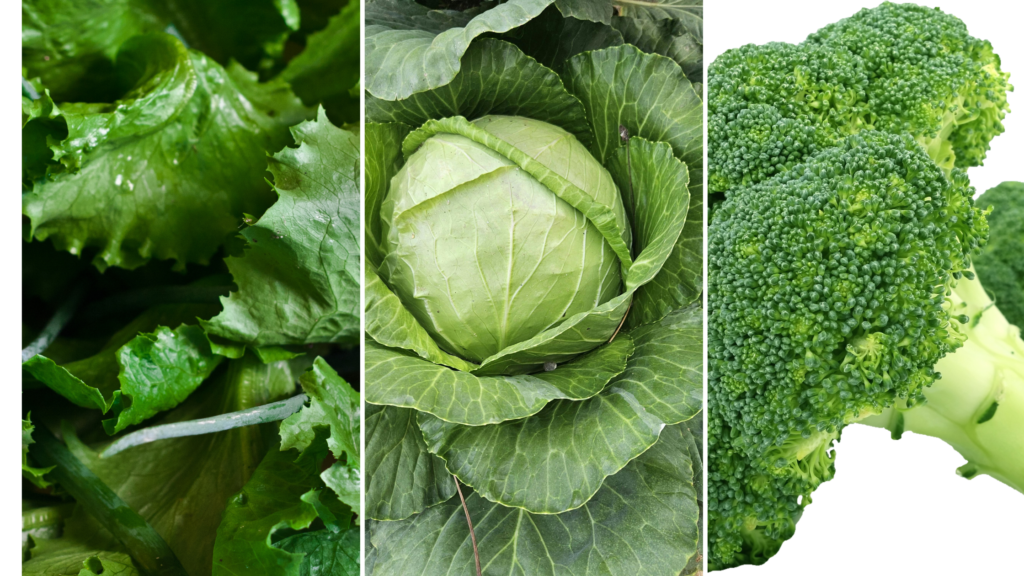
Leafy vegetables like spinach, romaine lettuce, red leaf lettuce, and bibb lettuce collect dirt and bacteria during harvest and transport.
How to Store Greens Properly
- Rinse leaves in cool water.
- Remove wilted or discolored leaves.
- Dry completely using a salad spinner or clean towel.
- Wrap loosely in paper towels.
- Place in a breathable plastic bag or container.
Moisture causes mold. Dry leaves last longer.
When stored correctly, leafy greens can stay fresh for up to one week.
Keep the Natural Protective Wax
Many fruits and vegetables have a natural wax coating. Some receive a food-safe wax layer after harvest. This coating reduces moisture loss.
Produce with wax coating includes apples, lemons, oranges, nectarines, cucumbers, bell peppers, eggplants, and potatoes.
Wash these foods only before eating or cooking. Washing too early removes protection and increases spoilage.
Trim Carrot Tops Before Storing
Carrot greens look fresh and vibrant. But they draw moisture and nutrients from the root.
Storage Steps
- Cut off green tops immediately.
- Store carrots in a loose plastic bag.
- Keep them in the crisper drawer.
Trimmed carrots can stay fresh for several weeks.
You can save the greens for pesto or salad toppings.
Store Bananas Away From Vegetables
Bananas release high amounts of ethylene gas.
Warm kitchens speed up browning. Store bananas in a cool area until they ripen. Once ripe, you can refrigerate them to slow further ripening.
The peel may darken, but the fruit inside stays firm for a few extra days.
Keep bananas far from leafy greens and cucumbers.
Freeze Ginger for Long-Term Freshness
Fresh ginger adds flavor to soups, teas, and stir-fries. But it molds quickly in humid conditions.
How to Freeze Ginger
- Do not peel.
- Wrap tightly in foil or a freezer bag.
- Remove as much air as possible.
Frozen ginger can last up to three months. You can grate it directly from frozen.
Freezing prevents mold growth and preserves flavor.
Let Onions Breathe
Onions need airflow.
Avoid plastic bags because they trap moisture. Moisture leads to mold and rot.
Best Storage Method
- Store whole onions in a cool, dry place.
- Use mesh bags or ventilated containers.
- Keep away from potatoes.
Cut onions should go into a sealed container in the refrigerator. Use within a few days.
Refrigerate Berries Immediately
Berries spoil quickly because they contain high moisture and thin skin.
This includes strawberries, blueberries, raspberries, and blackberries.
Proper Berry Storage
- Refrigerate below 40°F (4°C).
- Keep unwashed until ready to eat.
- Remove damaged berries immediately.
Moisture causes mold. Washing right before eating reduces spoilage.
Stored properly, berries last several days longer.
Wrap Celery in Foil
Celery contains a high percentage of water. It also reacts to ethylene gas.
Wrapping celery tightly in aluminum foil allows excess gas to escape while keeping moisture balanced.
Place wrapped celery in the crisper drawer.
Celery stored this way can last for weeks.
Store Lemons and Limes in Sealed Bags
Room temperature dries out citrus quickly.
To extend freshness:
- Place lemons or limes in a sealed plastic bag.
- Remove excess air.
- Store in the refrigerator.
This method keeps citrus juicy for up to one month.
Keep Herbs Upright
Fresh herbs wilt fast without moisture control.
Method for Soft-Stemmed Herbs
- Place cilantro, parsley, or mint in a jar with water.
- Cover loosely with a plastic bag.
- Store in the refrigerator.
Treat them like cut flowers.
Basil prefers room temperature. Store it upright in water on the counter.
Store Mushrooms in Paper Bags
Mushrooms are fungi. They absorb moisture easily.
Plastic wrap traps moisture and speeds spoilage.
Use a paper bag to allow ventilation. Store mushrooms in the refrigerator.
They can stay fresh for up to one week.
Wash mushrooms just before cooking.
Clean Your Refrigerator Regularly
Microorganisms such as bacteria, yeast, and mold spread inside refrigerators.
Cleaning reduces contamination and spoilage.
Cleaning Tips
- Wipe shelves weekly with white vinegar or soapy water.
- Remove expired food immediately.
- Avoid overcrowding shelves.
Air circulation prevents uneven cooling and moisture buildup.
Organize Your Fridge for Longer Freshness
Good organization reduces waste.
Top Shelf
- Ready-to-eat foods
- Leftovers
Middle Shelf
- Berries
- Herbs
Crisper Drawer (High Humidity)
- Leafy greens
- Carrots
- Broccoli
Crisper Drawer (Low Humidity)
- Apples
- Pears
Store ethylene producers separately from sensitive vegetables.
Clear organization improves airflow and keeps temperatures stable.
Common Mistakes That Cause Vegetables to Rot
Many people shorten shelf life without realizing it.
Mistakes to Avoid
- Washing produce too early
- Storing all produce together
- Using sealed plastic for onions
- Leaving herbs dry in the fridge
- Ignoring fridge temperature
Small changes can extend freshness by several days.
Signs Your Vegetables Have Spoiled
Do not eat produce that shows:
- Slimy texture
- Strong odor
- Mold growth
- Severe discoloration
Spoiled vegetables can cause foodborne illness.
If you feel unsure, throw it out.
Health Benefits of Reducing Food Waste
Keeping vegetables fresh longer supports both health and budget.
You:
- Save money
- Reduce grocery trips
- Increase vegetable intake
- Lower environmental waste
Fresh vegetables support heart health, digestive health, and weight management.
A well-organized fridge encourages healthier eating habits.
Quick Storage Reference Guide
| Vegetable Type | Storage Method | Expected Freshness |
|---|---|---|
| Leafy greens | Wash, dry, wrap in paper towel | Up to 7 days |
| Carrots | Trim tops, store in crisper | Several weeks |
| Berries | Refrigerate unwashed | 3–5 days |
| Celery | Wrap in foil | 2–3 weeks |
| Mushrooms | Paper bag | Up to 1 week |
| Lemons | Sealed bag in fridge | Up to 1 month |
| Ginger | Freeze | Up to 3 months |
Final Thoughts
You do not need special containers or expensive tools to keep vegetables fresh longer in the fridge. You need correct temperature, airflow, moisture control, and separation from ethylene gas.
Simple habits make a large difference:
- Dry greens before storage.
- Trim carrot tops.
- Wrap celery in foil.
- Store onions with airflow.
- Keep berries cold and dry.
When you control air, temperature, and moisture, you extend freshness and reduce waste.
Small changes in storage can protect nutrients, improve taste, and support better health.
Start with one or two tips today. Your vegetables will last longer, and your fridge will look fresher all week.